CDMX Public Transit
Mexico is my favorite, and hopping a flight to Mexico City (CDMX) is pretty easy breezy and cheap from Chicago, one of my local (2 hour drive) hubs. The flight is short enough that budget carrier seats aren’t an issue. But once you arrive, then what?
If you’re traveling light, then you can skip an expensive taxi or Uber and get straight on public transit. Airport bus (Metrobús Line 4) is the main public transit option from the airport. Follow signs for “Metrobús” inside the terminal. You’ll need a metro card before boarding—there’s a machine or booth nearby. The fare is 30 pesos, which is about 1.70 USD as I am writing this. It runs from both terminals into the city, including Centro Histórico.
You board at a platform like a metro stop, not from the street. Use Google Maps to confirm which stop to get off at, because it makes multiple stops along the route. You may have to make a transfer between transit methods to get to the stop closest to your lodging. Put your bag in your room and go exploring!
This is a brief overview of Mexico City’s public transportation.
What you need
Metro card: The Tarjeta de Movilidad Integrada is what you’ll use across almost the entire system—metro, metrobús, cablebús, trolebús, and RTP. You can buy one at any metro or metrobús station from a ticket window or machine. There’s a small upfront cost for the card itself, then you just load money onto it as needed. Most machines take cash, some take card, so don’t rely on that. Once you have it, just tap to enter—no need to tap out.
Change: You need coins for buses (Metrobus and Autobus). Metrobus fares - as of 2026 - are 6 pesos for a standard ride, which is about 35 cents US. Most of them accept cards, but some take cash and they don’t carry change. Get familiar with what change is for what! Tip: put one fare in one pocket, and another fare in different pocket so it is a quick entry.
Google Maps: Put in your destination and look at the route options. Do not just pick the fastest one. Often the better choice is fewer transfers, even if it takes a little longer.
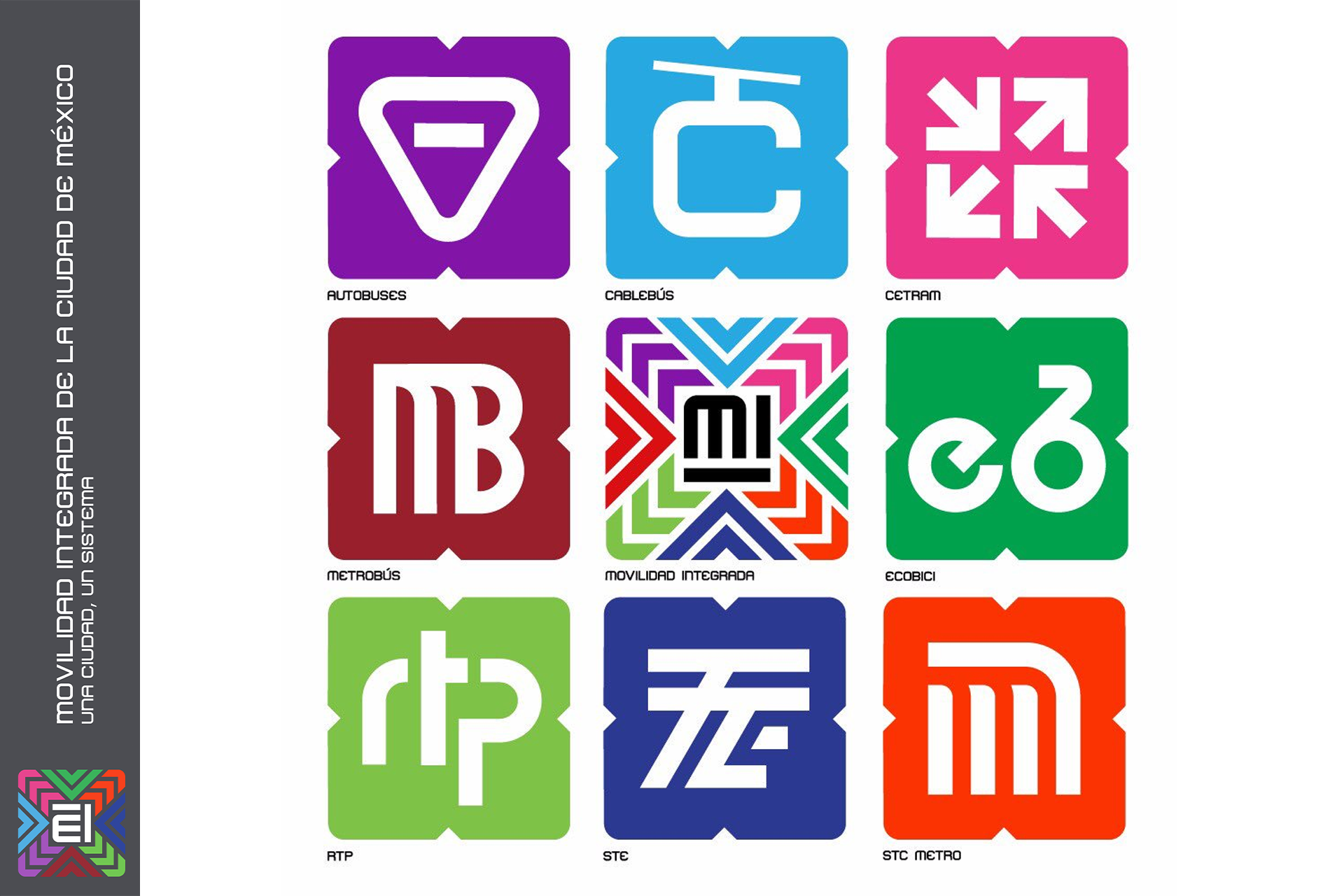
These are the identifiers for each transit method.
Types of Transit and How to Find Them
Mexico City uses distinct logos for each type of transportation, and once you recognize them, the system becomes much easier to use. For most visitors, you’ll end up relying on the metro and metrobús the most. They’re fast, cheap, and show up clearly in Google Maps. Uber or DiDi fills in the gaps when you’re tired, running late, or just don’t want to deal with transfers. Everything else exists and works, but those three will cover the majority of your trips without overcomplicating it.
Metro: Orange square with a stylized M. This is the subway. Each line has a color, and each station has its own icon (examples below), which helps a lot with navigation. Google Maps will tell you the direction—just follow the signs.
Metrobus: Red logo with “MB.” This is a bus and subway hybrid. It runs in dedicated lanes on major roads, so it’s fast and predictable. You enter through station platforms and use your metro card.
Trolebus: Blue symbol shaped like a cable line. This is the electric trolley bus. It runs on fixed routes and is part of the formal system.
RTP bus: Green logo with RTP. These run in regular traffic and stop along the street, not in stations. They still use the metro card.
Peseros: Small bus icon, sometimes paired with a purple triangle for corredores. These are informal shared vans and minibuses. The routes are written on the windshield. This is where you need cash and often exact change.
Cablebús: Usually shown with a cable car/gondola icon. This is an aerial cable car system that runs over hillside neighborhoods, and can be fun and scenic. It uses the metro card like the rest of the system. It’s more of a niche route for specific areas rather than something most visitors will use regularly, but it’s fully integrated into Google Maps just like everything else.
Autobuses: Purple triangle icon. These are formal bus routes that sit somewhere between RTP and peseros. They run fixed routes like RTP but can feel a bit less standardized. Some take the metro card, some still expect cash. If you see this icon in Google Maps, just check the payment type before boarding.
Cablebús: Blue cable car icon. This is the aerial gondola system. It runs over hillside neighborhoods and uses the metro card. Not something most visitors will use often, but fully integrated into Google Maps.
CETRAM: Pink icon with arrows. This is not transportation itself—it’s a transfer hub where multiple systems connect. If Google Maps sends you to one, it just means you’re switching lines or modes there.
Ecobici: Green bike icon. This is the city’s bike share system. You can rent bikes from docking stations around the city. It’s app-based and better for shorter, central trips.
STE: Blue icon. This is the umbrella system for electric transport, including the trolebús and light rail. You’ll mostly encounter it indirectly through those services rather than as its own thing.
Movilidad Integrada: Multicolor logo. This is the branding for the entire transportation system. When you see it, it just means everything is connected under the same payment system.
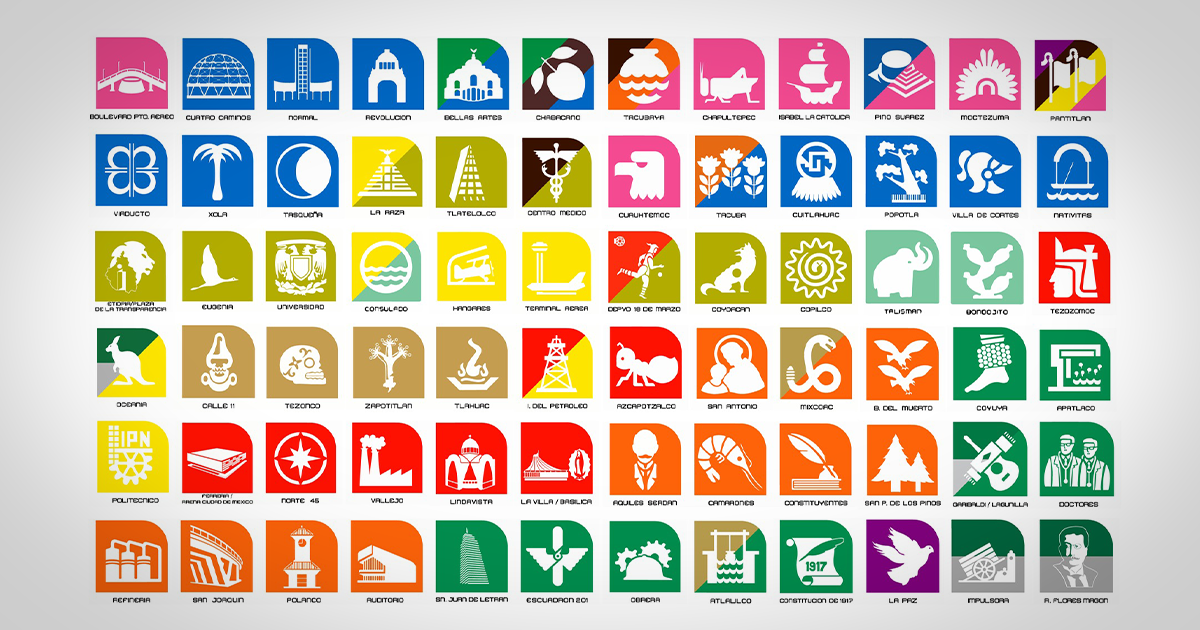
Then within each transit method, stops have icons. You can see that some stops are served by more than one transit method. For tourism, you’ll likely stick to Red and Orange for the most part.
Once you understand the logos, Google Maps becomes extremely accurate for telling you where to go, where to board, and where to get off. It’s cheaper, often faster than sitting in traffic, and significantly easier than it looks once you know the system.
Transit Safety
Keep your phone, wallet, and anything important in front of you, especially in crowded areas. Think crossbody bag or hand on your belongings. Pickpocketing is opportunistic, so just make it difficult. (This topic super irritates me because my husband got pickpocketed on the bus because he was just periodically checking on his phone in his back pocket. If you feel the need to keep checking on your phone, then it’s in the wrong spot, so put it somewhere more secure.)
Now go forth and adventure!